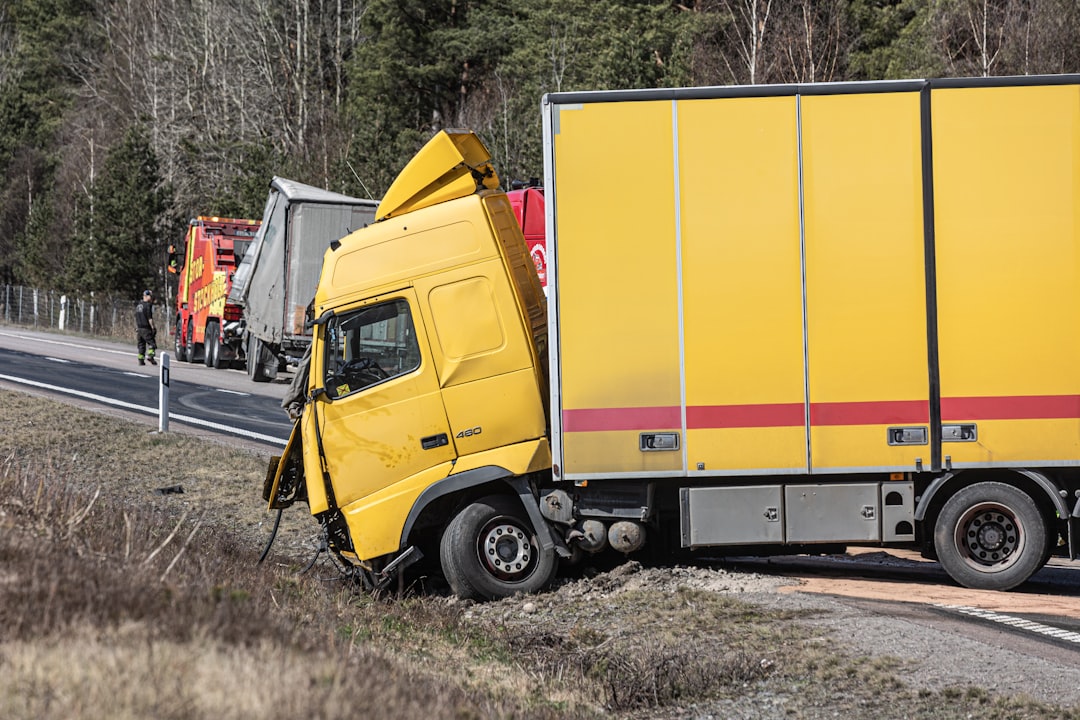
The Uneven Collision: Why You Need a Trucking Accident Lawyer
A trucking accident lawyer is a specialized attorney who investigates commercial truck crashes, identifies all liable parties, steers complex federal regulations, and fights to secure full compensation for victims facing catastrophic injuries or wrongful death. They handle everything from preserving black box data to confronting corporate legal teams, leveling the playing field when individuals take on the trucking industry.
What a Trucking Accident Lawyer Does for You:
- Investigates the crash scene and preserves critical evidence before it disappears
- Identifies all liable parties beyond just the driver—including trucking companies, maintenance crews, cargo loaders, and manufacturers
- Steers federal trucking regulations (FMCSA rules, Hours of Service violations, maintenance requirements)
- Calculates the full value of your claim, including future medical costs and lost earning capacity
- Counters insurance company tactics designed to minimize payouts
- Prepares your case for trial when necessary to achieve justice
The collision between a passenger vehicle and a fully loaded commercial truck is not a fair fight.
A tractor-trailer can weigh up to 80,000 pounds. Your car weighs around 5,000 pounds.
When an 18-wheeler strikes a passenger vehicle, the laws of physics dictate devastation. The force of impact is catastrophic. The injuries are life-altering. And the legal battle that follows is just as unbalanced.
Trucking companies employ entire legal teams whose sole job is to minimize what they pay victims. They dispatch investigators to crash scenes within hours—sometimes before the wreckage is even cleared—to collect evidence, interview witnesses, and build a defense. They control the logbooks, the maintenance records, the black box data. They know the federal regulations inside and out, and they know how to exploit every loophole.
You are not on equal footing. Not without representation that understands this battlefield.
Between 2019 and 2021, Texas alone recorded 56,975 large truck crashes, resulting in 2,138 fatalities and 31,790 injuries. Nationwide, the Federal Motor Carrier Safety Administration documented 479,103 crashes involving large trucks during the same period. These are not just statistics. They are families shattered, livelihoods destroyed, and futures stolen.
This guide explains what happens after a truck wreck—the investigation, the evidence, the liable parties, the federal regulations, and the legal process. More importantly, it explains what a trucking accident lawyer does to hold powerful corporations accountable when they cut corners on safety.
The wreckage on the highway is just the beginning. The real fight starts in the days and weeks that follow.
The Physics of Catastrophe: Why Truck Wrecks Are Fundamentally Different
The sheer disparity in size and weight between a commercial truck and a passenger vehicle means that any collision is inherently uneven. A fully loaded tractor-trailer can weigh 20 to 30 times more than a typical car. This immense difference generates an overwhelming force of impact, often leading to catastrophic outcomes for those in the smaller vehicle.

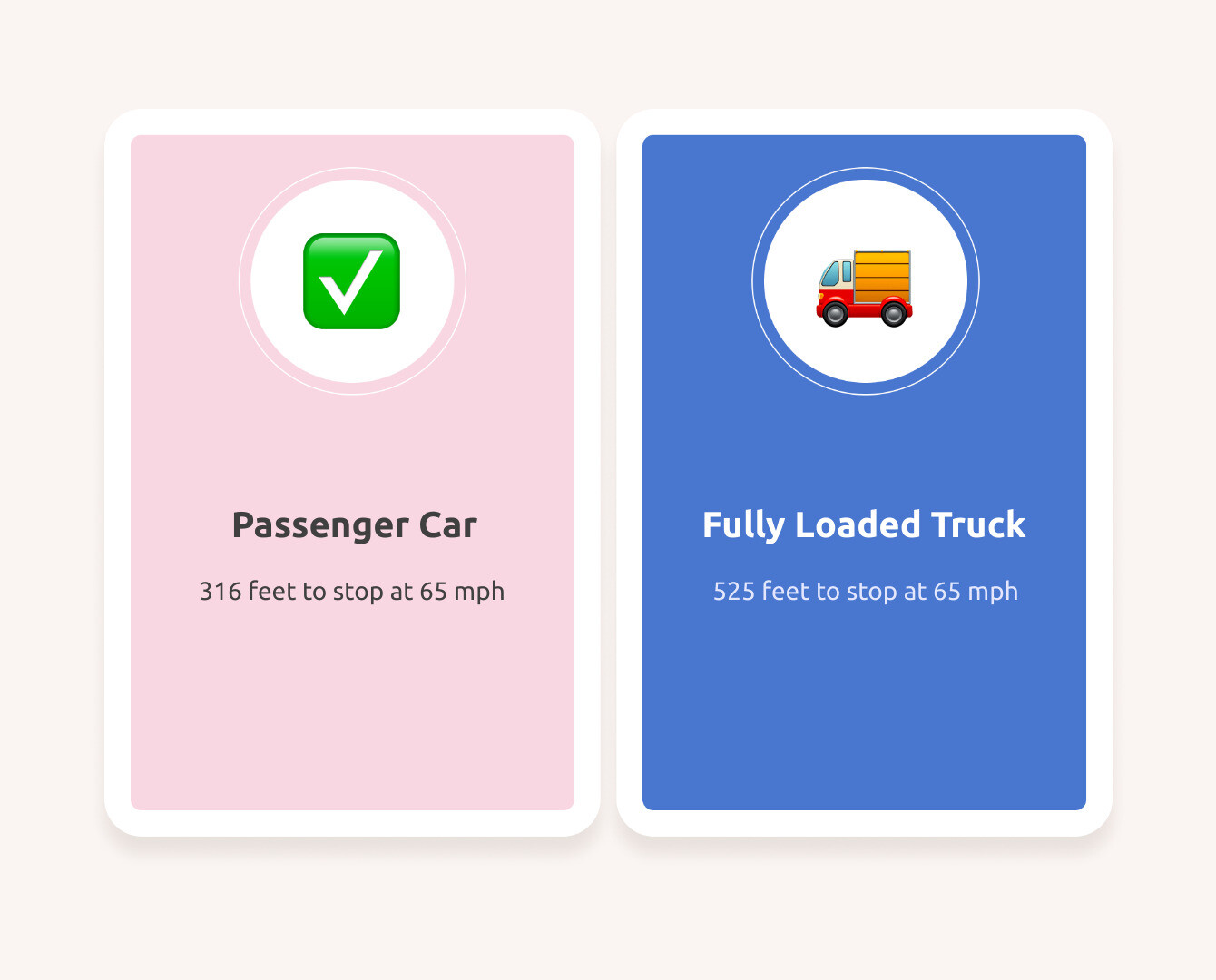
The physics of these collisions also highlight critical operational differences. Commercial trucks have significantly longer stopping distances; a car traveling at 65 mph needs 316 feet to stop, while a big rig needs 525 feet. Their maneuverability is limited, with a turning radius of 55 feet, and they have expansive blind spots, often called “no-zones,” which restrict visibility for the truck driver. These inherent characteristics make truck accidents particularly devastating, often resulting in severe injuries or fatalities for passenger vehicle occupants. The devastating consequences of truck accidents are well-documented by safety advocates, with more than 70% of fatalities and injuries from large truck accidents affecting occupants of vehicles other than trucks.
Common Injuries in a Truck Accident
Due to the immense size and force involved in truck accidents, the injuries sustained are often severe and life-altering. These are not minor fender-benders; they are events that shatter lives and futures.
Common catastrophic injuries include:
- Traumatic Brain Injuries (TBI): From concussions to severe brain damage, TBIs can lead to permanent cognitive, emotional, and physical impairments. Symptoms may not appear immediately, making prompt medical attention crucial.
- Spinal Cord Injuries: Damage to the spinal cord can result in partial or complete paralysis, leading to lifelong disability and dependence. These injuries can profoundly impact an individual’s quality of life.
- Amputations: The crushing force of a truck accident can necessitate the amputation of limbs, resulting in permanent disfigurement and disability.
- Severe Burns: Fires can erupt in high-impact collisions, leading to extensive and painful burn injuries requiring specialized, long-term care.
- Internal Organ Damage: The sheer force can cause internal bleeding and damage to vital organs, often requiring emergency surgery and leading to long-term health complications.
- Broken Bones: Multiple fractures, often compound or comminuted, are common, requiring extensive surgeries, rehabilitation, and potentially leading to chronic pain.
In the most tragic circumstances, truck accidents can lead to wrongful death, leaving families to grapple with unimaginable loss and complex legal battles. When a loved one is taken due to another’s negligence, pursuing a wrongful death claim becomes a path to accountability and justice.
Types of Commercial Truck Accidents
The variety of commercial trucks and the diverse scenarios in which they operate contribute to a range of accident types, each with its unique dangers and complexities. A trucking accident lawyer must understand the mechanics and physics of each to build an effective case.
Common types of truck accidents include:
- Rollover Accidents: Large trucks have a high center of gravity, especially when loaded, making them prone to rolling over. This can be caused by sharp turns, speeding, or sudden maneuvers.
- Jackknife Accidents: Occur when a truck’s trailer swings out to a 90-degree angle with the cab, resembling a folding pocketknife. This often happens due to sudden braking or loss of traction, especially on wet or icy roads.
- Underride Collisions: These devastating accidents happen when a smaller vehicle slides underneath the trailer of a large truck, often shearing off the top of the passenger vehicle and causing severe or fatal injuries to its occupants.
- Rear-End Collisions: Trucks require significantly more distance to stop. According to the National Highway Traffic Safety Administration (NHTSA), nearly 32% of fatal truck collisions involve rear-end accidents, often due to following too closely or driver inattention.
- Lost Load Accidents: If cargo is improperly secured, it can shift or spill onto the roadway, creating immediate hazards for other drivers and potentially causing multi-vehicle pile-ups.
- Tire Blowouts: A sudden tire blowout on a large truck can cause the driver to lose control, leading to swerving, veering into other lanes, or overturning, often due to inadequate maintenance or overloaded conditions.
Deconstructing Negligence: The Investigation and Liable Parties
The immediate aftermath of a truck accident is a race against time. Trucking companies often have rapid response teams on the scene, sometimes before law enforcement, to gather evidence and protect their interests. This aggressive approach underscores the need for victims to have equally tenacious representation from a trucking accident lawyer who can initiate their own swift and thorough investigation.
A comprehensive investigation involves preserving critical evidence, which can disappear or be altered quickly. This includes sending spoliation letters to compel trucking companies to retain crucial data, conducting accident reconstruction to determine the sequence of events, and identifying all potentially liable parties. This “David vs. Goliath” scenario demands a relentless pursuit of truth to hold powerful corporations accountable.
Common Causes of Truck Accidents
While truck accidents can arise from various factors, negligence on the part of the driver, the trucking company, or other entities is frequently at their root. Understanding these common causes is essential for a trucking accident lawyer to establish liability.
Key causes include:
- Driver Negligence: This encompasses a range of unsafe behaviors, including:
- Driver Fatigue: Long hours on the road can lead to extreme fatigue. Federal hours of service regulations limit the number of hours a truck driver can work without rest, but some drivers and companies violate these rules. Drowsiness is responsible for 328,000 accidents annually, according to the AAA Foundation for Traffic Safety.
- Speeding: Speeding is the leading factor in truck accidents, accounting for 6.5% of fatal collisions. Big rigs require significantly longer stopping distances, making speeding exceptionally dangerous.
- Distracted Driving: Nearly 6% of fatal truck accidents involve some form of driver distraction, such as cell phone use, eating, or adjusting controls.
- Driving Under the Influence (DUI): Operating an 80,000-pound vehicle while impaired by alcohol or drugs severely compromises a driver’s judgment and reaction time. Federal regulations mandate alcohol and controlled substance testing for commercial drivers in certain accident scenarios.
- Improper Cargo Loading: The Federal Motor Carrier Safety Administration (FMCSA) sets stringent federal cargo securement rules. If cargo is overloaded, unbalanced, or improperly secured, it can shift during transit, causing the truck to become unstable, leading to rollovers or lost load accidents.
- Inadequate Truck Maintenance: A study by the FMCSA found that approximately 10 percent of all large truck crashes were caused primarily by problems with the trucks or trailers themselves. Negligent maintenance, such as faulty brakes, worn tires, or defective lighting, can directly lead to catastrophic equipment failures. The trucking company is responsible for the truck’s condition and must ensure vehicles are in good working order.
Who Can Be Held Liable?
Unlike car accidents, truck accidents often involve multiple parties who may share liability for the crash. A skilled trucking accident lawyer will carefully investigate to identify every entity that contributed to the negligence.
Potential liable parties include:
- The Truck Driver: For direct negligence such as fatigued driving, speeding, distracted driving, or DUI.
- The Trucking Company (Motor Carrier): Often held liable through vicarious liability for the driver’s actions. They can also be directly negligent for issues like negligent hiring or training, demanding excessive hours, inadequate maintenance, or pressuring drivers to violate safety regulations.
- The Truck Owner: If different from the trucking company, the owner may be liable for negligent maintenance or failing to ensure the vehicle was safe for operation.
- Cargo Loaders and Shippers: If the accident resulted from improperly loaded, unbalanced, or unsecured cargo, the parties responsible for loading could be held liable.
- Maintenance and Repair Companies: If a third-party company was responsible for maintaining the truck and their negligence led to a mechanical failure causing the accident.
- Parts Manufacturers: In cases where a defective truck part (e.g., brakes, tires) caused the accident, the manufacturer of that part could be held responsible.
- Government Entities: Rarely, but possible if the accident was caused by poorly maintained roads, inadequate signage, or defective infrastructure.
The Critical Role of Evidence
Evidence is the bedrock of any successful truck accident claim. Because critical information can disappear quickly, a trucking accident lawyer acts swiftly to preserve and analyze all available data.
Key evidence includes:
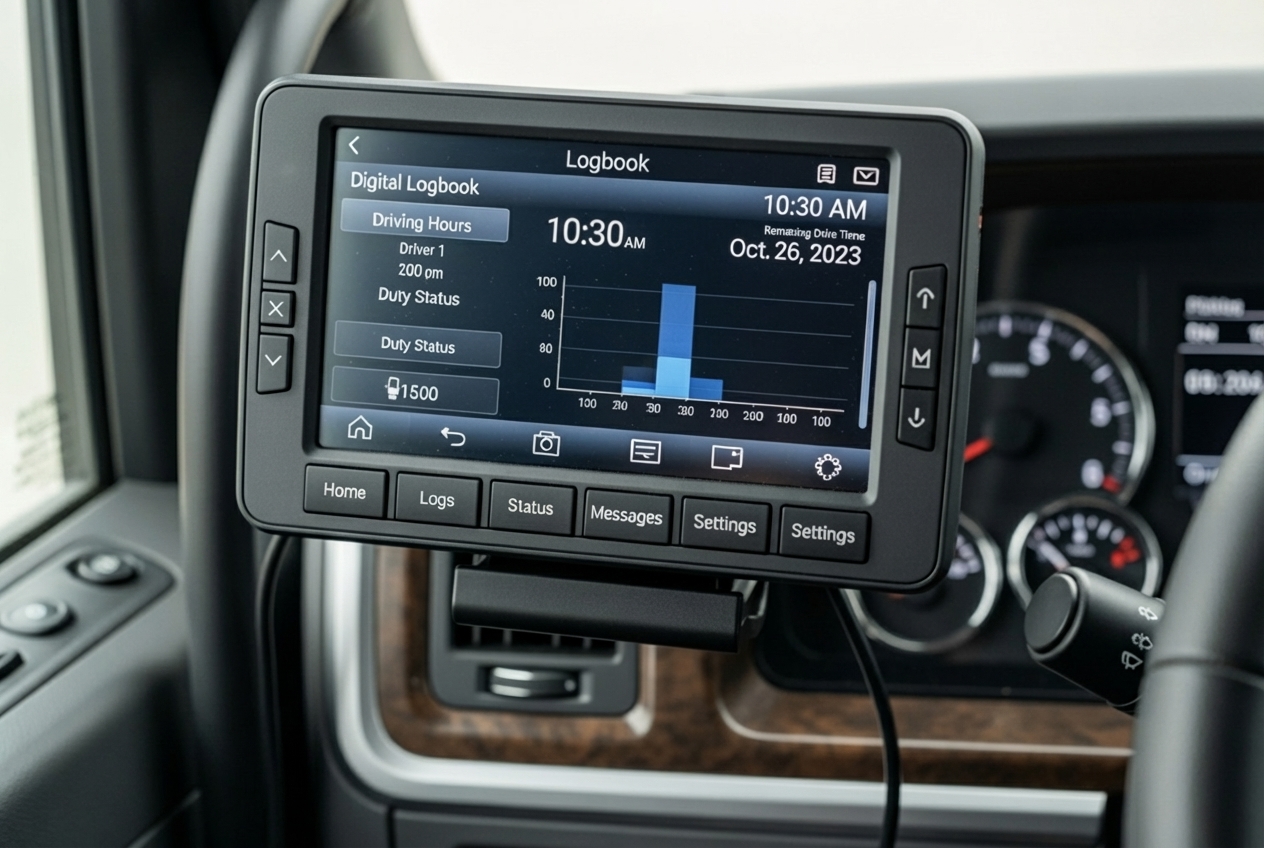
- Black Box Data (ELDs): Many commercial trucks are equipped with Electronic Logging Devices (ELDs), often referred to as “black boxes.” These devices record crucial data such as speed, braking patterns, engine performance, hours driven, and even collision impact forces. This data can prove critical in establishing negligence.
- Dash Cam Footage: Many trucks and other vehicles now have dash cameras. This footage can provide an objective view of the moments leading up to and during the accident, offering invaluable insights into driver behavior and road conditions.
- Driver Qualification Files: These files contain the driver’s employment history, commercial driver’s license (CDL) information, medical examination reports, and records of any past traffic violations. They are vital for uncovering negligent hiring practices.
- Drug and Alcohol Test Results: Federal regulations require post-accident drug and alcohol testing for commercial drivers involved in fatal crashes or those resulting in injury with vehicle towing. These results are crucial evidence of impairment.
- Driver Logbooks: These records detail a driver’s hours of service, rest periods, and duty status. Falsified logbooks are a common issue, often indicating hours of service violations and driver fatigue.
- Maintenance Records: These documents show the truck’s inspection history, repairs, and preventative maintenance. A lack of proper maintenance records can point to negligence on the part of the trucking company.
- Post-Crash Inspection Reports: Reports from law enforcement or certified inspectors can detail mechanical defects, cargo securement issues, or other factors contributing to the crash.
- Witness Testimony: Statements from eyewitnesses can corroborate the sequence of events and provide crucial details that other evidence might miss.
The Role of a Georgia Trucking Accident Lawyer: Forging a Path to Accountability
Navigating the aftermath of a truck accident requires specialized legal expertise. A Georgia trucking accident lawyer understands not only the state’s personal injury laws but also the intricate web of federal regulations governing the trucking industry. This dual knowledge is essential for proving negligence, accurately calculating damages, and effectively fighting against the formidable legal and insurance teams employed by trucking companies.
From the moment they take on a case, an experienced attorney prepares for trial, carefully building a compelling narrative of accountability. This involves leveraging federal regulations, gathering comprehensive evidence, and tirelessly advocating for the victim’s right to full and fair compensation for their personal injury.
How a Trucking Accident Lawyer Uses Federal Regulations
The commercial trucking industry is heavily regulated by the Federal Motor Carrier Safety Administration (FMCSA). These Federal Motor Carrier Safety Regulations (FMCSR) set rigorous standards for vehicle operation, maintenance, and driver conduct. For a trucking accident lawyer, these regulations are powerful tools for establishing negligence.
They can be used to:
- Prove Violations of Driver Qualifications: The FMCSA sets specific qualifications for truck drivers, including medical fitness, driving experience, and background checks. If a trucking company failed to properly vet or train a driver, leading to an accident, this is direct evidence of negligence.
- Expose Failures in Inspection and Maintenance Protocols: The FMCSA mandates regular inspection, repair, and maintenance for commercial vehicles. A trucking accident lawyer will examine maintenance logs to identify any breaches of these protocols, such as neglected brake systems or worn-out tires, which can be direct causes of accidents.
- Hold Companies Accountable for Pressuring Drivers: Trucking companies sometimes pressure drivers to meet unrealistic deadlines, leading to hours of service violations and fatigued driving. A skilled attorney can uncover these practices, demonstrating how corporate policies directly contribute to unsafe conditions on the road.
Violations of these federal regulations can establish “negligence per se,” meaning that the negligent party is automatically presumed to be at fault simply by breaking the law. This significantly strengthens a victim’s claim for compensation.
Recovering Full and Fair Compensation
The goal of a trucking accident lawyer is to ensure victims receive comprehensive compensation that covers all their losses, both immediate and future. This includes various types of damages designed to “make whole” the injured party.
Compensation typically falls into these categories:
- Economic Damages: These are quantifiable financial losses directly resulting from the accident:
- Medical Expenses: Including emergency room visits, hospital stays, surgeries, prescription medications, physical therapy, rehabilitation, and long-term care.
- Lost Wages: Compensation for income lost due to time off work for recovery.
- Loss of Earning Capacity: If injuries prevent a victim from returning to their previous job or earning potential, this covers future lost income.
- Property Damage: Costs associated with repairing or replacing the damaged vehicle.
- Non-Economic Damages: These compensate for intangible losses that significantly impact a victim’s quality of life:
- Pain and Suffering: Compensation for physical pain and discomfort endured as a result of the injuries.
- Emotional Distress: Covering psychological impacts such as anxiety, depression, PTSD, and fear.
- Loss of Enjoyment of Life: If injuries prevent a victim from participating in hobbies, activities, or aspects of life they once enjoyed.
- Loss of Consortium: Compensation for the negative impact the injury has on the injured party’s relationships with their spouse or family members, including loss of companionship, affection, and support.
- Punitive Damages: In cases of egregious or reckless conduct by the defendant, punitive damages may be awarded. These are not meant to compensate the victim but to punish the wrongdoer and deter similar behavior in the future.
The Legal Battleground: The Claims Process from Start to Finish
The legal journey after a truck accident is complex and often lengthy. Understanding the process, from immediate post-crash actions to potential litigation, is crucial for victims seeking justice. A dedicated trucking accident lawyer guides clients through each step, protecting their rights against well-resourced trucking companies and their insurers.
The process typically begins with immediate evidence preservation, moves through rigorous investigation and negotiation, and, if necessary, proceeds to a trial. Throughout this battle, the victim needs a relentless champion.
What to Do Immediately After a Truck Accident
The actions taken in the moments and days following a truck accident can profoundly impact the outcome of a legal claim. Acting swiftly and strategically is paramount to preserving evidence and protecting your rights.
Here are critical steps:
- Seek Medical Attention: Your health is the top priority. Even if you feel fine, some serious injuries, like TBIs, may not manifest symptoms immediately. A medical evaluation creates an official record of your injuries.
- Report the Accident to Law Enforcement: In Georgia, you must report accidents that result in injury, death, or property damage to the police. This creates an official police report, a vital piece of evidence.
- Document the Scene: If safely possible, take photos and videos of the accident scene, vehicle damage, road conditions, and any visible injuries.
- Gather Information: Collect contact and insurance information from all involved parties, including the truck driver and their trucking company. Note down witness contact details.
- Avoid Speaking to Insurance Adjusters: Trucking companies and their insurers will likely contact you quickly. Do not give recorded statements or discuss fault without first consulting a trucking accident lawyer. Their goal is to minimize payouts.
- Contact an Experienced Truck Accident Lawyer in Georgia: The sooner you engage legal counsel, the sooner they can begin preserving evidence, investigating the crash, and protecting your interests.
Understanding the Statute of Limitations
Filing deadlines are absolute in personal injury law. Every state has a specific timeframe, known as the statute of limitations, within which a lawsuit must be filed. Missing this deadline means permanently losing your right to seek compensation, regardless of the merits of your case.
In Georgia, the statute of limitations for most personal injury claims, including those arising from truck accidents, is generally two years from the date of the accident. This period applies to both personal injury and wrongful death claims. While two years may seem like a long time, the extensive investigation required in truck accident cases means that retaining a trucking accident lawyer as soon as possible is critical to ensure all deadlines are met.
How Long a Case Takes and What It Costs
The timeline for resolving a truck accident case can vary significantly based on its complexity. Simple cases with clear liability and minor injuries might settle in a few months. However, complex cases involving catastrophic injuries, multiple liable parties, or disputes over federal regulations can take years to resolve, especially if litigation is required.
Regarding costs, most reputable trucking accident lawyers work on a contingency fee basis. This means you pay no attorney’s fees unless they win your case. Their fee is a percentage of the final settlement or verdict. This fee structure allows victims to access elite legal representation without any upfront financial risk. Furthermore, firms like Cheeley Law Group advance all litigation expenses, such as expert witness fees, court costs, and investigation expenses, which are then reimbursed from the settlement or verdict. This ensures that justice is accessible, regardless of a client’s financial situation. Learn more about our approach.
Frequently Asked Questions About Truck Accident Claims
How much does it cost to hire a trucking accident lawyer?
Most reputable firms, including Cheeley Law Group, work on a contingency fee basis. This means you pay no attorney’s fees unless they win your case. The fee is a percentage of the final settlement or verdict, typically ranging from 33.3% to 40%. This structure allows victims to access elite legal representation without upfront financial risk, as the law firm only gets paid if they secure compensation for you.
How much is my truck accident claim worth?
There is no “average” settlement amount for a truck accident claim because each case is unique. The value of your claim depends on numerous factors, including the severity and permanence of your injuries, the total economic losses (medical bills, lost wages, future earning capacity), the impact on your quality of life (pain, suffering, emotional distress, loss of enjoyment), and the degree of the defendant’s negligence. A thorough investigation by a skilled trucking accident lawyer is required to determine the full, long-term value of your case, often involving expert economists and medical professionals.
Should I accept the trucking company’s insurance offer?
It is almost always a mistake to accept an initial offer from a trucking company’s insurance adjuster without first consulting an experienced Georgia Trucking Auto Accident Lawyer. Insurance companies are businesses focused on minimizing payouts, and their first offer rarely covers the full, long-term cost of your injuries and losses. They may attempt to settle quickly before you fully understand the extent of your injuries or the true value of your claim. Always consult with a qualified attorney before signing any documents or accepting a settlement.
Securing Justice When It Matters Most
The aftermath of a truck wreck is a battle against powerful corporate and insurance interests. They have teams of lawyers working to protect their bottom line from the moment a crash occurs. You need a champion with the experience, resources, and resolve to hold them accountable. The attorneys at Cheeley Law Group have a record of taking on these giants and securing justice for families in Georgia. If you or a loved one has been harmed, learn how we can help you fight back. Explore our results in truck wreck cases.
Past results do not guarantee future outcomes. Cheeley Law Group is located in Alpharetta, Georgia but takes cases in metro Atlanta, Macon, Marietta, Smyrna, Lawrenceville, and Savannah.